Digital Transformation
 Digital Transformation
Future-Proofing Oil & Gas: Strategies for Scalable Digital Transformation
The global Oil and Gas (O&G) industry stands at a pivotal inflection point, being re-shaped by contemporary geopolitical uncertainties, volatile energy markets, evolving & non-uniform decarbonization mandates and accelerating digital disruptions. With the continued impact of megatrends such as electrification, decentralization and digitalization, the sufficiency and viability of legacy business models are further challenged. While hydrocarbons remain a critical part of the global demand, the sector must re-avatar itself to remain competitive, resilient, and sustainable especially in hyper growing economies like India. In that context, digital transformation has thus emerged as a strategic imperative rather than a crisis management or operational choice. The article explores how energy organizations especially O&G companies can future-proof their operations through scalable, value-accruing digital transformation agenda, supercharged by convergence of advanced analytics, AI, industrial IoT, cloud platforms, and cybersecurity foundations.

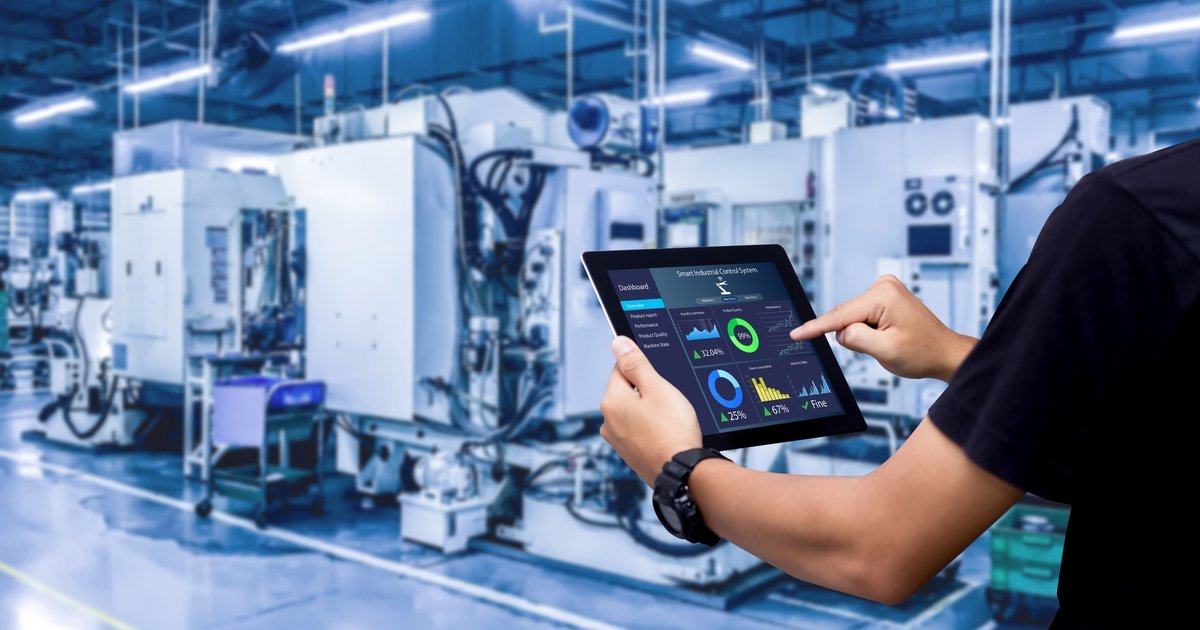 Digital Transformation
The CIO Playbook for Smart Factory Transformation in 2026
What succeeds, what fails, and where companies quietly burn money Let me start with a confession: If I had a dollar for every “smart factory” vendor presentation I’ve seen in the last decade, I’d have enough budget to actually finish a smart factory program. Manufacturing in 2026 is at an interesting point. We have more technology than ever — AI, IIoT, digital twins, real-time visibility, predictive everything — and yet many factories still run on a combination of tribal knowledge, WhatsApp groups, and a mighty spreadsheet called “Final_Plan_v23_FINAL(2).xlsx.” So this playbook is written for CIOs, CDOs, and digital leaders who are genuinely trying to move the needle — not impress their board with fancy jargon. It’s written from the lens of lived experience: factory floors that smell of cutting oil, planning meetings where no two numbers match, and multi-plant scheduling decisions that seem to depend entirely on which plant manager answered the phone first. If you’re looking for a polished, academic definition of Industry 4.0, there are brochures for that. This is a practical guide.