Masterclass Notes
Stay informed with expert-written articles on the latest trends, insights, and developments across various industries. Gain valuable knowledge and stay ahead in your field.
 Technology
Bridging Strategy and Execution
What CIOs Learn Only After Living Through Large Transformations. Over the years, I have seen organisations invest hea...







Where Experience Becomes Knowledge, and Knowledge Becomes Progress
Every industry has a handful of people whose experiences quietly shape how others work—leaders who have solved real problems, learned from setbacks, and built wisdom over years of hands-on involvement in manufacturing, supply chain, operations, engineering, and digital transformation.
"Talk With Masters — Because real expertise comes from real work."
For Plant Managers & PPC Heads
Real lessons from leaders who’ve already solved the problems you’re dealing with right now.
For Engineers & Analysts
Scale digital systems, improve quality processes, and build operational excellence step by step.
Learn From Real Experiences
Articles written by practitioners who have lived the challenges—not theoretical frameworks.
Explore Our Notes
Discover insights across various categories
 Digital Transformation
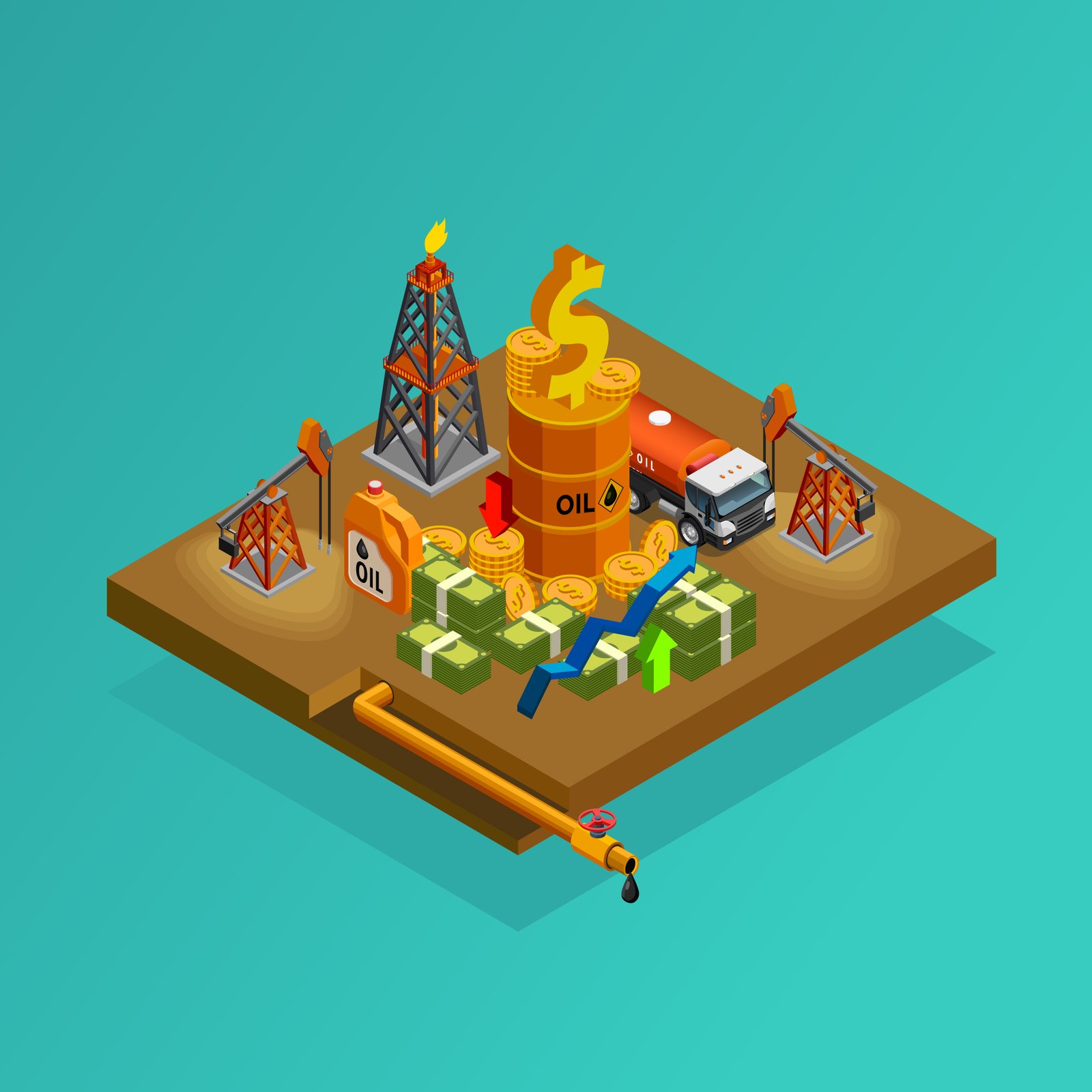
Future-Proofing Oil & Gas: Strategies for Scalable Digital Transformation
The global Oil and Gas (O&G) industry stands at a pivotal inflection point, being re-shaped by contemporary geopolitical uncertainties, volatile energy markets, evolving & non-uniform decarbonization mandates and accelerating digital disruptions. With the continued impact of megatrends such as electrification, decentralization and digitalization, the sufficiency and viability of legacy business models are further challenged. While hydrocarbons remain a critical part of the global demand, the sector must re-avatar itself to remain competitive, resilient, and sustainable especially in hyper growing economies like India. In that context, digital transformation has thus emerged as a strategic imperative rather than a crisis management or operational choice. The article explores how energy organizations especially O&G companies can future-proof their operations through scalable, value-accruing digital transformation agenda, supercharged by convergence of advanced analytics, AI, industrial IoT, cloud platforms, and cybersecurity foundations.
 Modern Supply Chain
Demand Forecasting in FMCG: A CIO’s Perspective on Navigating Uncertainty
Why Demand Forecasting in FMCG Is Never Just About Numbers. A CIO’s reflections from the inside. If there is one topic that has consistently sparked animated discussion in every boardroom, supply chain review, and CIO peer forum I’ve been part of, it is demand forecasting. Not because people don’t understand its importance—but because almost everyone has, at some point, felt the pain of getting it wrong. Early in my CIO journey, I remember sitting in what seemed like a routine review meeting. The numbers on the screen looked precise, confident, and reassuring. Accuracy percentages were healthy, charts were clean, and there was a quiet sense of comfort in the room. A few weeks later, that comfort disappeared. In one of the regions, some states were sitting on piles of slow-moving inventory, while another set of states was scrambling to meet demand. The factors of seasonality, weather, impact of state excise tax on pricing, cost and demand such factors require delicate manoeuvring and compiling of huge data sets. The forecast hadn’t failed because the math was wrong. It failed because it didn’t reflect how the business actually behaved amid a small blip and all factors affecting the impact of demand forecasting were not considered in the forecast. Over the years—through many conversations with planners, commercial heads, supply chain leaders, and fellow CIOs across Industry—I’ve come to believe something quite strongly: demand forecasting is not really a forecasting problem. It is a decision-making and cultural mindset problem. This is not a theoretical piece. It is shaped by lived experience—my own and those of peers I’ve learned from along the way. I want to talk candidly about why forecasting is so hard in some industries and in some it is easy and where it usually breaks down, and how CIOs can approach demand planning in a way that genuinely improves business outcomes.
 Modern Factories
Navigating MES Implementation: Key Dos and Don’ts for Plant Heads, with Industry-Specific Insights.
Let’s face it: Implementing Manufacturing Execution Systems (MES) is a bit like juggling flaming torches while riding a unicycle. It’s tricky, it’s fast-paced, and the stakes are high. But if done right, MES can transform your plant from chaotic data overload to a streamlined, real-time decision-making powerhouse. MES is no longer just a data collector — it’s the central nervous system of a modern digital factory. It’s what turns machine signals into actionable insights that can boost efficiency, improve quality control, and help plant managers sleep at night knowing everything is under control. In this article, I’ll walk you through the key dos and don’ts of implementing MES in your plant, with real-world examples and industry-specific insights.
Technology
Bridging Strategy and Execution
What CIOs Learn Only After Living Through Large Transformations. Over the years, I have seen organisations invest heavily in digital transformation—ERP upgrades, advanced planning tools, analytics platforms, IoT initiatives, and automation. Yet, despite all this effort, many leaders quietly admit one thing: “We have systems, but decisions haven’t really improved.” This gap between digital intent and operational reality is where most transformations struggle—not because of technology, but because execution happens in environments far more complex than strategy documents assume.
 Modern Supply Chain
Demand Sensing for D2C & Quick Commerce: From Signal to Shelf in Hours, Not Weeks.
When Demand Started Moving Faster Than Supply? For decades, demand planning was built on a comforting assumption: demand moves slower than supply. We forecast, we plan, we make inventory available, and the system absorbs small errors through buffers. That assumption quietly collapsed with the rise of D2C and quick commerce. Today, demand doesn’t wait for your planning cycle. It forms in real time, triggered by a viral reel, a micro-promotion, a weather spike, or a delivery promise shrinking from two days to ten minutes. In India, platforms promising 10–30 minute delivery have redefined not just consumer expectations, but manufacturer response expectations as well. When a quick-commerce player asks an FMCG brand, “If we deliver in 8 minutes, why do you need 2 days to replenish?”, it’s not rhetoric—it’s a structural challenge to the old operating model . This is where demand sensing moves from theory to necessity. Demand sensing is not about predicting the future better. It is about detecting what is changing right now—early enough to still do something about it. In D2C and quick commerce, that window is measured in hours and days, not weeks.
 Modern Factories
Production Planning and Scheduling in Plastic Pipe & Fitting Manufacturing
Production planning in a plastic pipe and fittings plant spans continuous extrusion (for pipes) and batch-based injection molding (for fittings), but the real complexity lies beyond simply sequencing machines. Extrusion lines run continuously and must account for socketing operations, cooling cycles, and downstream dispatch readiness, while injection presses juggle mold changes, regrind usage rules, and order coupling requirements to ensure pipes and fittings stay aligned for assembly and shipment. Because tooling, semi-finished buffers, rework loops, and customer-specific dispatch constraints are deeply interlinked, schedulers must plan machines, tooling, material flow, and governance rules as one unified system. These overlapping constraints make PPS in pipes and fittings far more challenging than standard discrete manufacturing—and extremely sensitive to how well the planning system models real shop-floor logic.
 Digital Transformation
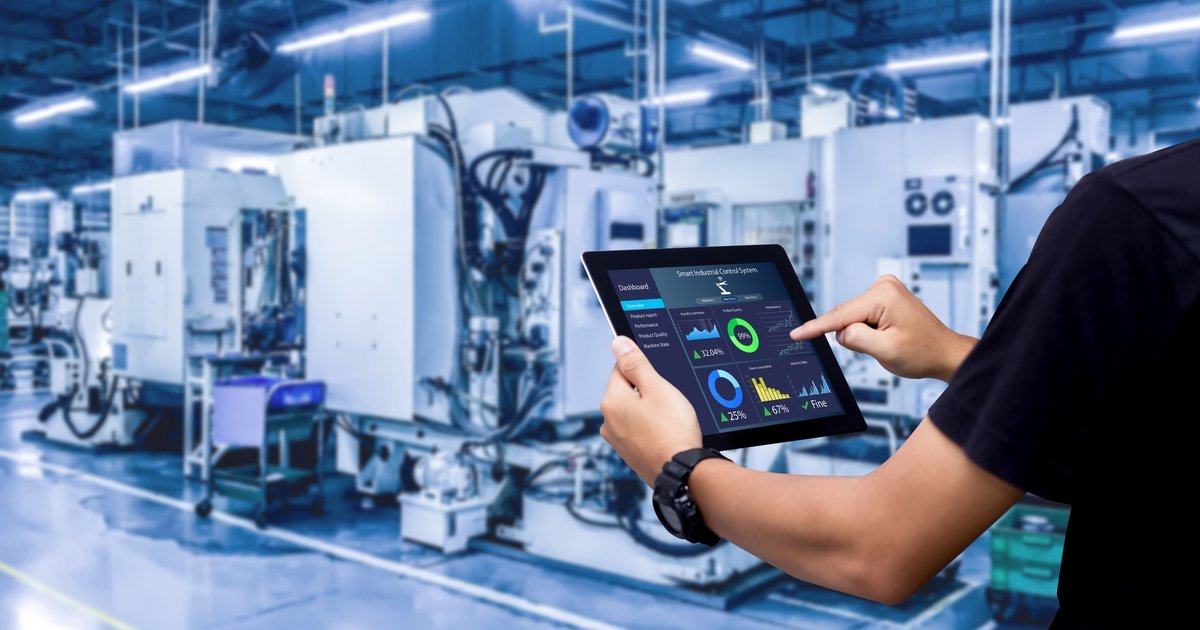
The CIO Playbook for Smart Factory Transformation in 2026
What succeeds, what fails, and where companies quietly burn money Let me start with a confession: If I had a dollar for every “smart factory” vendor presentation I’ve seen in the last decade, I’d have enough budget to actually finish a smart factory program. Manufacturing in 2026 is at an interesting point. We have more technology than ever — AI, IIoT, digital twins, real-time visibility, predictive everything — and yet many factories still run on a combination of tribal knowledge, WhatsApp groups, and a mighty spreadsheet called “Final_Plan_v23_FINAL(2).xlsx.” So this playbook is written for CIOs, CDOs, and digital leaders who are genuinely trying to move the needle — not impress their board with fancy jargon. It’s written from the lens of lived experience: factory floors that smell of cutting oil, planning meetings where no two numbers match, and multi-plant scheduling decisions that seem to depend entirely on which plant manager answered the phone first. If you’re looking for a polished, academic definition of Industry 4.0, there are brochures for that. This is a practical guide.